Updated: September 2026. Originally published in June 2026.
This Fujifilm XQ1 review started with an unpacked moving box, not a search for another camera. While renovating our home in rural Japan, I rediscovered a little compact I had almost forgotten about. It still worked, so I started taking it with me on walks with the dogs.
Is the Fujifilm XQ1 still worth using in 2026? For me, yes: it makes carrying a dedicated camera easy, and its pictures are more than enough for the everyday moments I want to keep. Buying one today is a different question. Its condition, price, and the way you like to photograph matter much more than nostalgia.
Why I Started Using the Fujifilm XQ1 Again
You know how home renovations go, right? When I first wrote this post, it had been about two years since we moved in. Because we’re fixing things up little by little, I still kept stumbling upon boxes that hadn’t been fully unpacked. The XQ1 was at the bottom of one of them, packed away since the move.
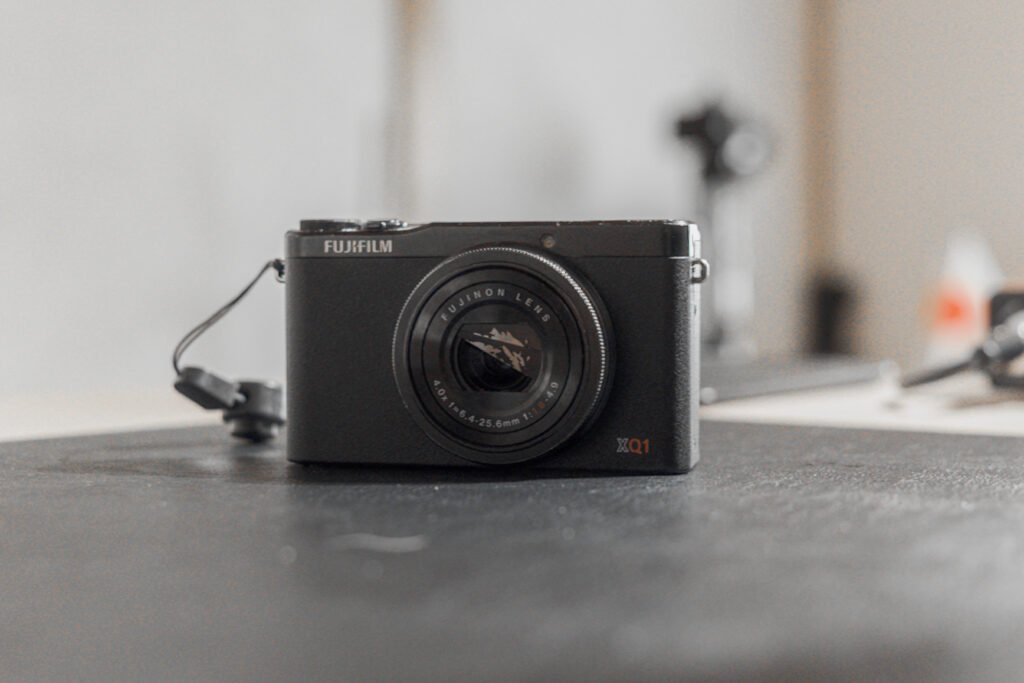
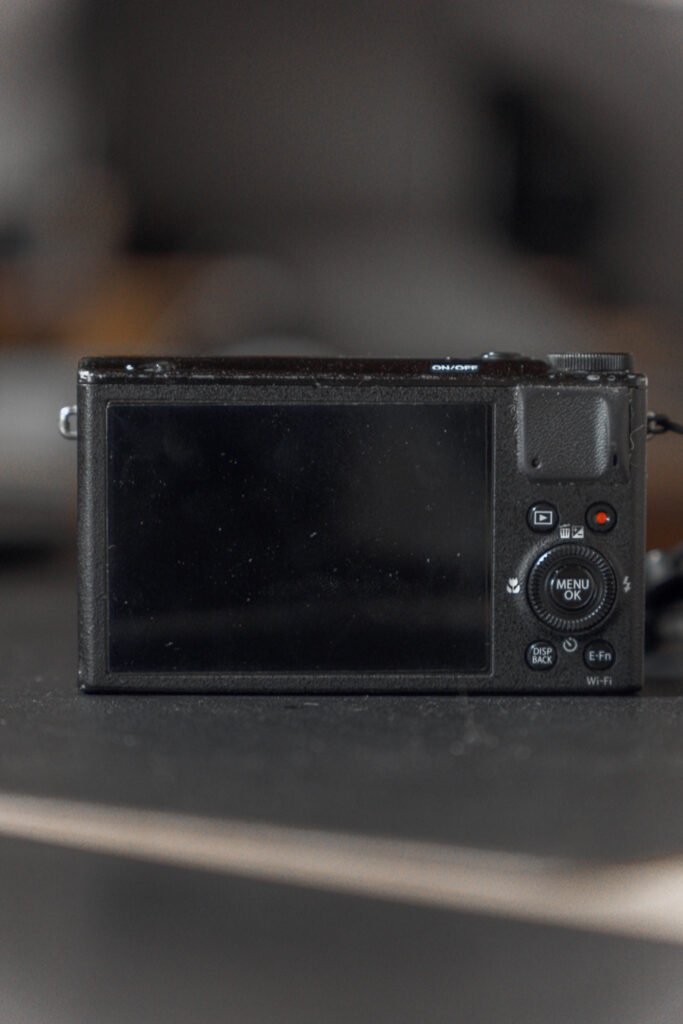
Honestly, I thought the battery would be completely dead or the camera wouldn’t turn on. But it came back to life. It wasn’t in perfect shape: the small lens cover blades were a bit damaged, and the rear control dial was struggling with what seemed to be dust. Still, finding it made me want to use it again.
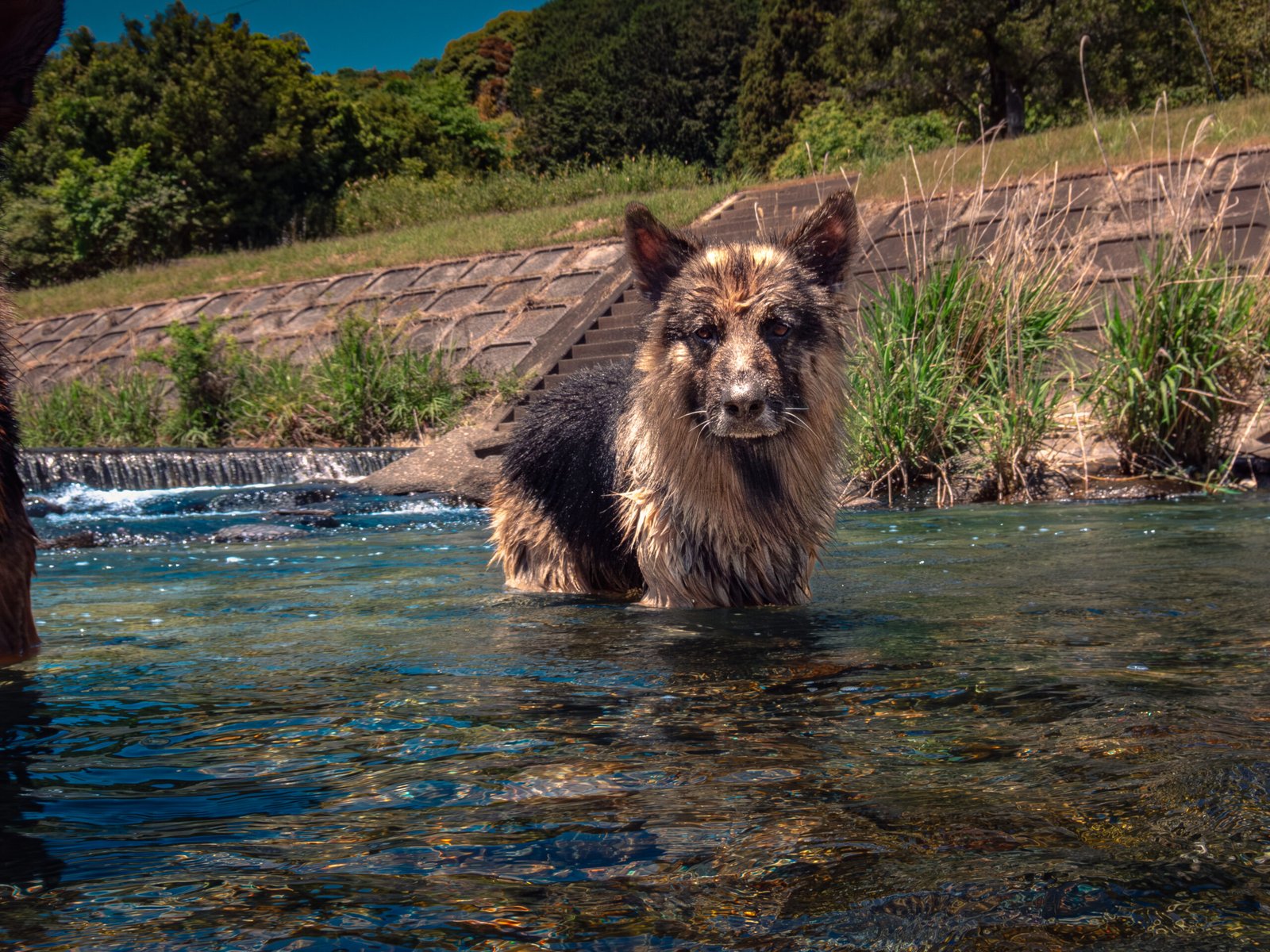
When I walk the dogs here in the countryside, I don’t want a bulky backpack or extra heavy gear. I just slip the XQ1 into my pocket and go. Whether the dogs are running ahead along the riverbank or I’m looking at the quiet rural roads, having a camera within reach helps me notice things I might otherwise pass by.
That is the heart of this review. I’m interested in what this camera adds to an ordinary day, and why I enjoy using something I already own. It is a similar reason I still enjoy using my Canon 60D after fifteen years.
Fujifilm XQ1 Specs at a Glance
| Specification | Fujifilm XQ1 |
|---|---|
| Sensor / resolution | 2/3-inch X-Trans CMOS II / 12 megapixels |
| Lens | 4× optical zoom; 25–100mm equivalent |
| Maximum aperture | f/1.8 at wide angle; f/4.9 at telephoto |
| Photo formats | JPEG, RAW (RAF), RAW + JPEG |
| Exposure controls | Program, aperture priority, shutter priority, manual |
| Stabilization | Optical, lens-shift type |
| Screen / viewfinder | 3-inch LCD / no viewfinder |
| Video | Full HD 1080 at 60p or 30p |
| Connectivity / storage | Wi-Fi; SD, SDHC and SDXC cards |
| Weight | Approx. 206g with battery and memory card |
| Introduced | 2013 |
Technical details: Fujifilm’s official XQ1 specifications. For controls and setup, the original Fujifilm XQ1 owner’s manual is a useful reference.
What I Like About the XQ1
It is small enough to come along. That sounds obvious, but it is the feature that matters most to me. A camera left at home cannot record a moment on a walk. This one asks very little of me in return for having it nearby.
The zoom gives me room to frame. The wide-to-short-telephoto range is useful for moving between a broader view and a smaller detail without changing lenses. There is a practical limit to the bright-lens appeal, though: f/1.8 is available at the wide end, not throughout the zoom.
It offers control when I want it. Manual exposure options, RAW capture, and the lens control ring give this small camera more flexibility than its appearance suggests. I can keep things simple, or spend more time on a photograph. RAW is an option for editing, not an obligation to turn every walk into a processing session.
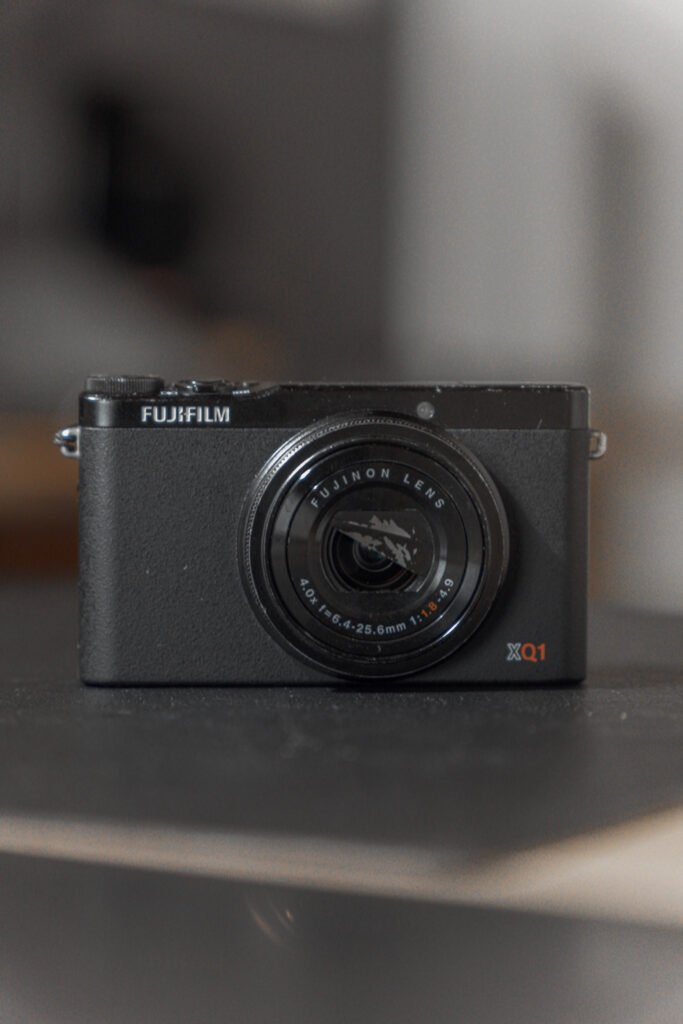
It has a single purpose. I take it out, frame a picture, and put it away. That small routine is refreshing. Photography feels like a deliberate part of the walk instead of another reason to unlock my phone.
What Hasn’t Aged Well
The wear on my own XQ1 deserves more attention than a passing mention. The damaged lens cover blades and unreliable rear dial are real drawbacks. They are observations about my camera, not proof that every XQ1 will develop the same faults. They do show why the condition of an individual used camera matters.
There are also limitations built into the design. Framing depends on the rear screen because there is no viewfinder. The small controls won’t suit every hand. And although the wide end of the lens is bright, zooming in reduces the maximum aperture, which makes low-light shooting less forgiving.
Wi-Fi is on the specification sheet, but I wouldn’t make a purchase depend on an older wireless workflow working smoothly with a current phone. Check compatibility with your own device. An SD card reader is a straightforward alternative. Full HD video is available, but this is primarily interesting to me as a stills camera.
Age also means checking the battery and moving parts rather than assuming that a camera which powers on is fully healthy. I wouldn’t describe my own worn example as perfect, even though I enjoy using it.
Fujifilm XQ1 Image Quality in 2026
Twelve megapixels may sound modest next to a phone’s advertised resolution, but the number alone doesn’t tell me whether I will enjoy a photograph. For this blog, social sharing, and everyday pictures, the XQ1 gives me enough resolution. Light, focus, and the moment itself matter more than a larger number on the box.
A sharp, well-exposed file can also make a pleasing A4 print. A larger print can work, depending on cropping, viewing distance, and the image itself. I wouldn’t promise the same result from a heavily cropped frame or a noisy low-light shot.
The sensible expectation is an older small-sensor camera. As light falls, noise and lost fine detail become more relevant; difficult bright skies and deep shadows require care. RAW gives room to adjust a file, but it cannot rescue every exposure or restore detail that was never recorded.
I enjoy the character of these everyday photographs, including some imperfections. That doesn’t mean noise is automatically attractive or that the XQ1 produces unprocessed images. Its JPEGs are processed too. What matters to me is whether the result feels right for the scene, without needing every picture to look technically flawless.
Fujifilm XQ1 Sample Photos
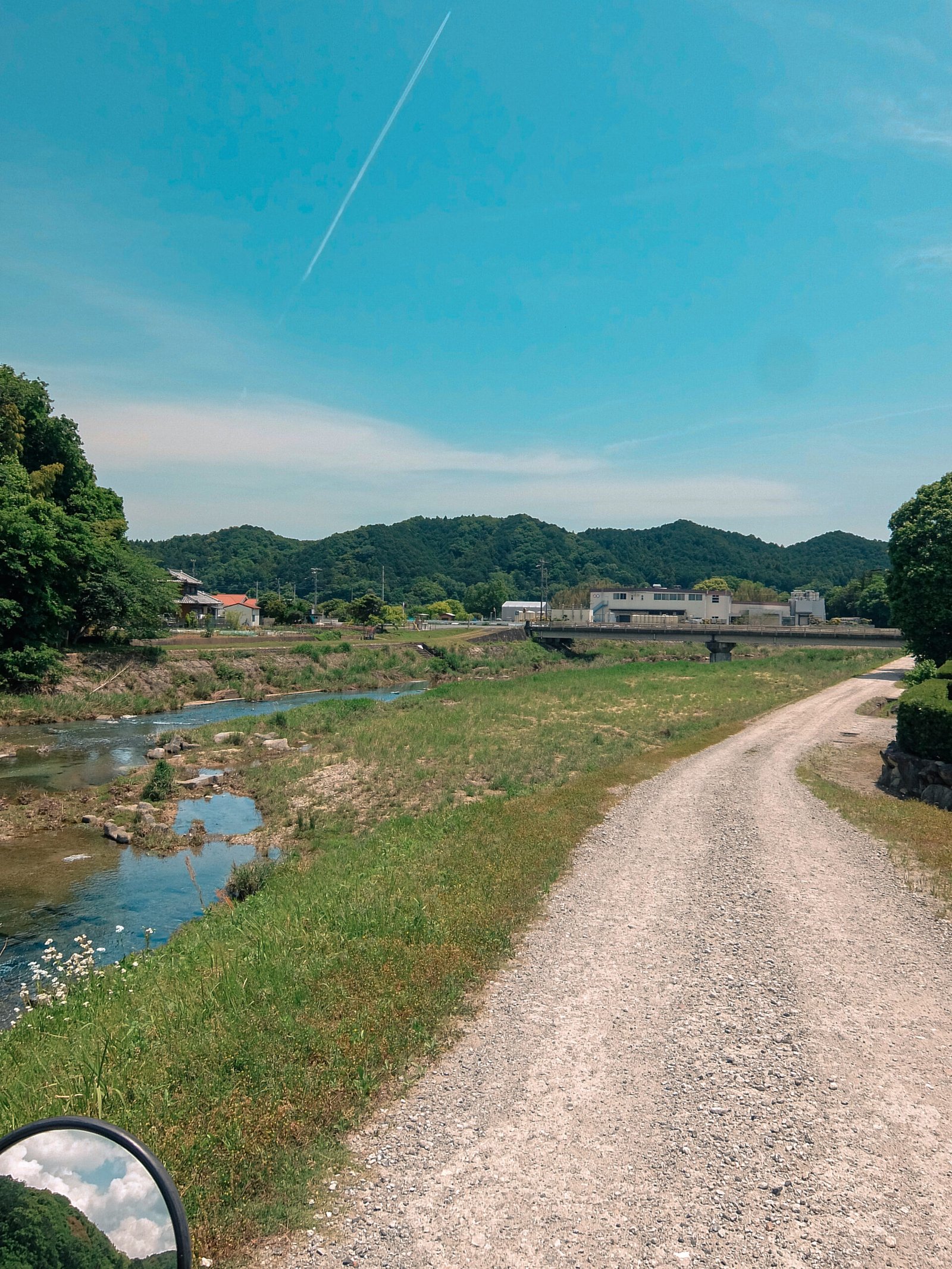
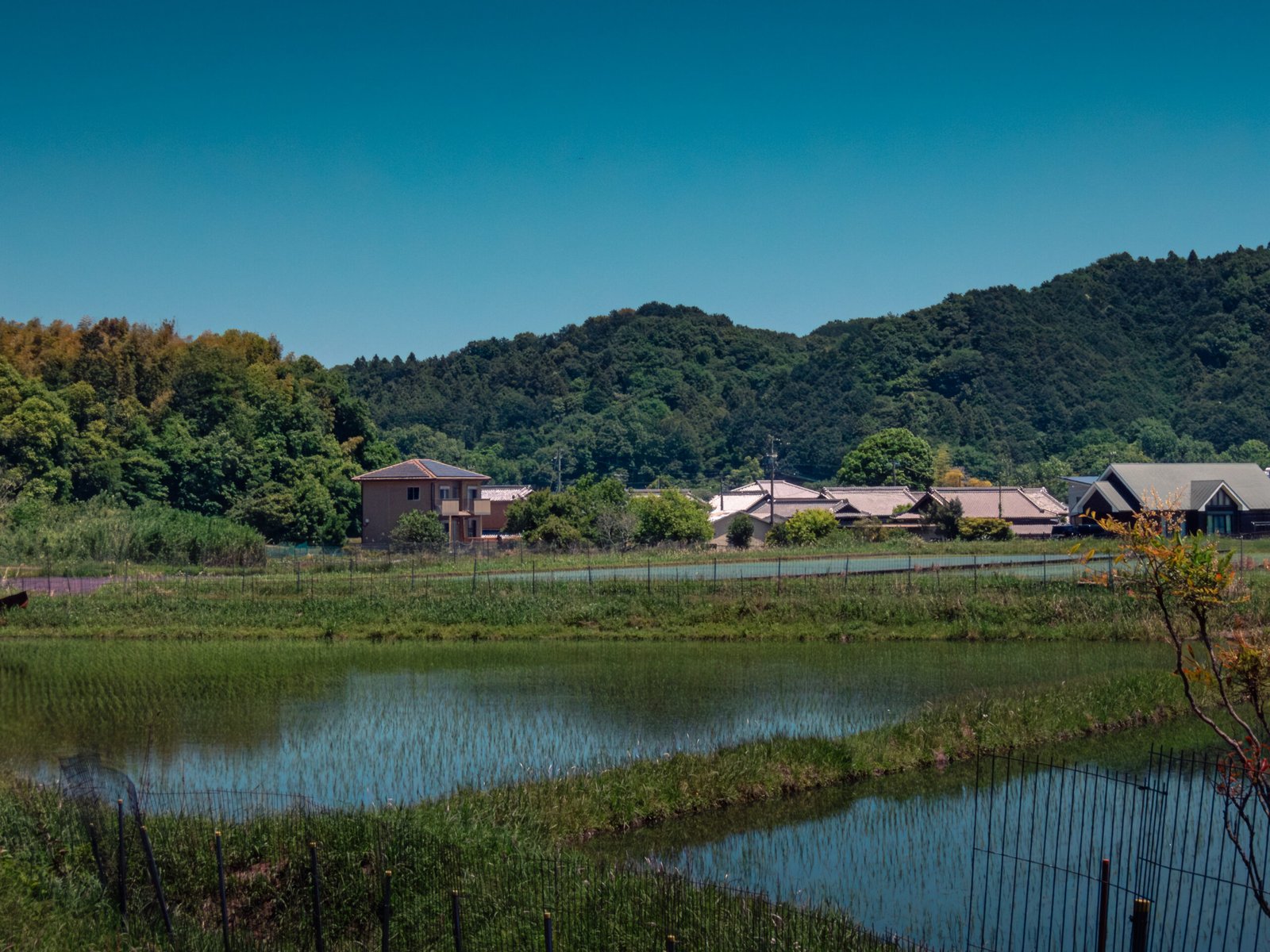
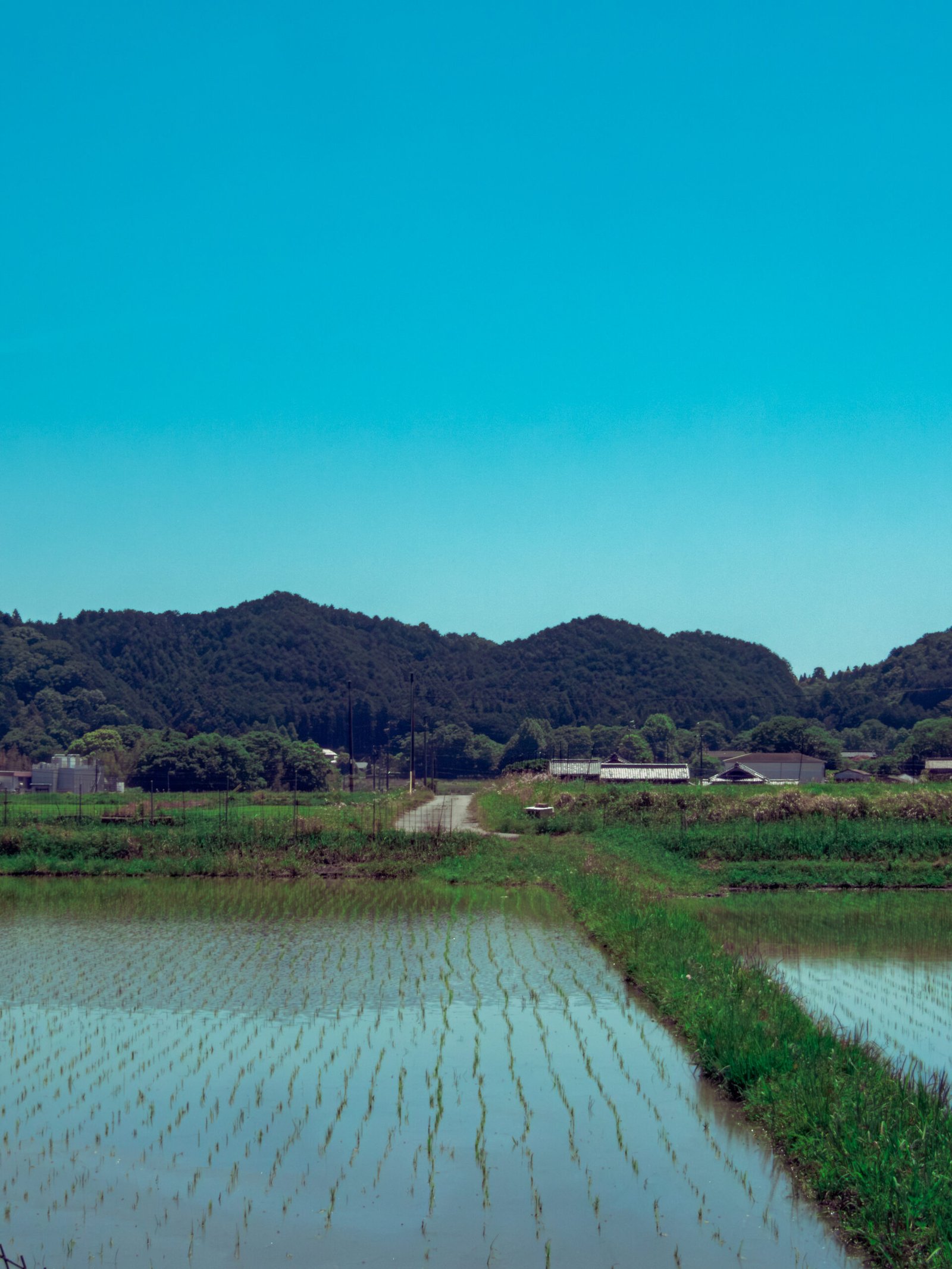
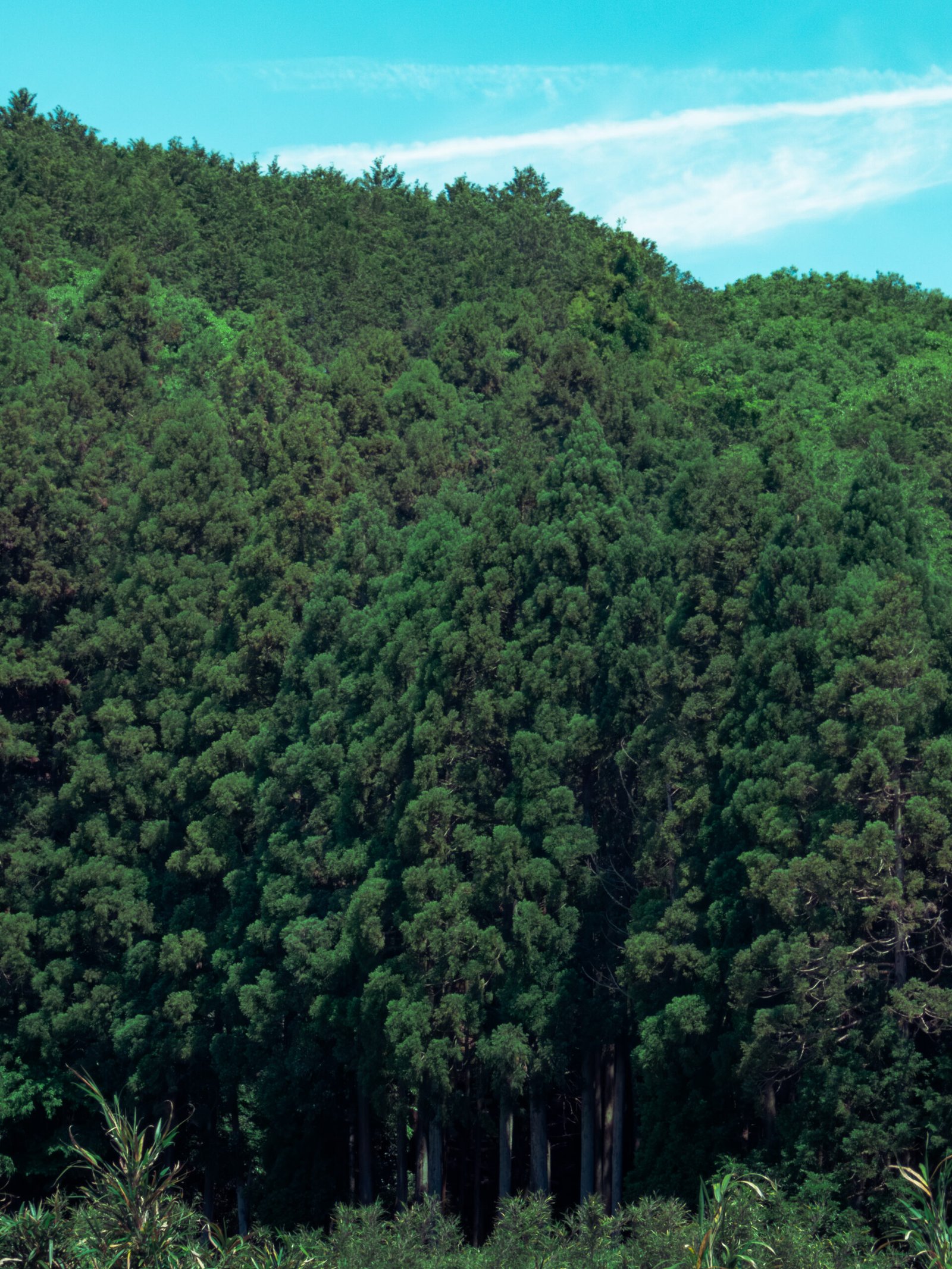
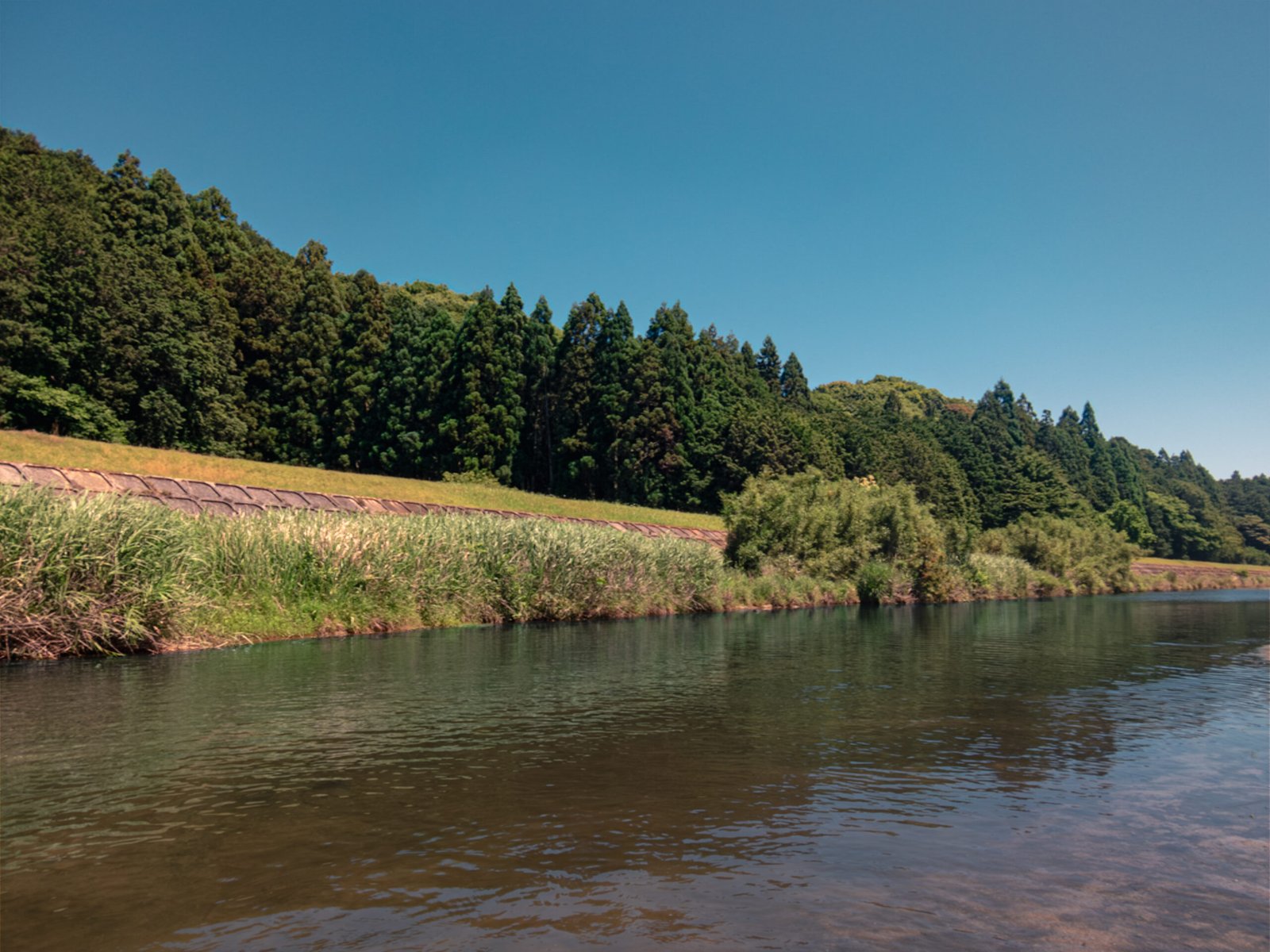
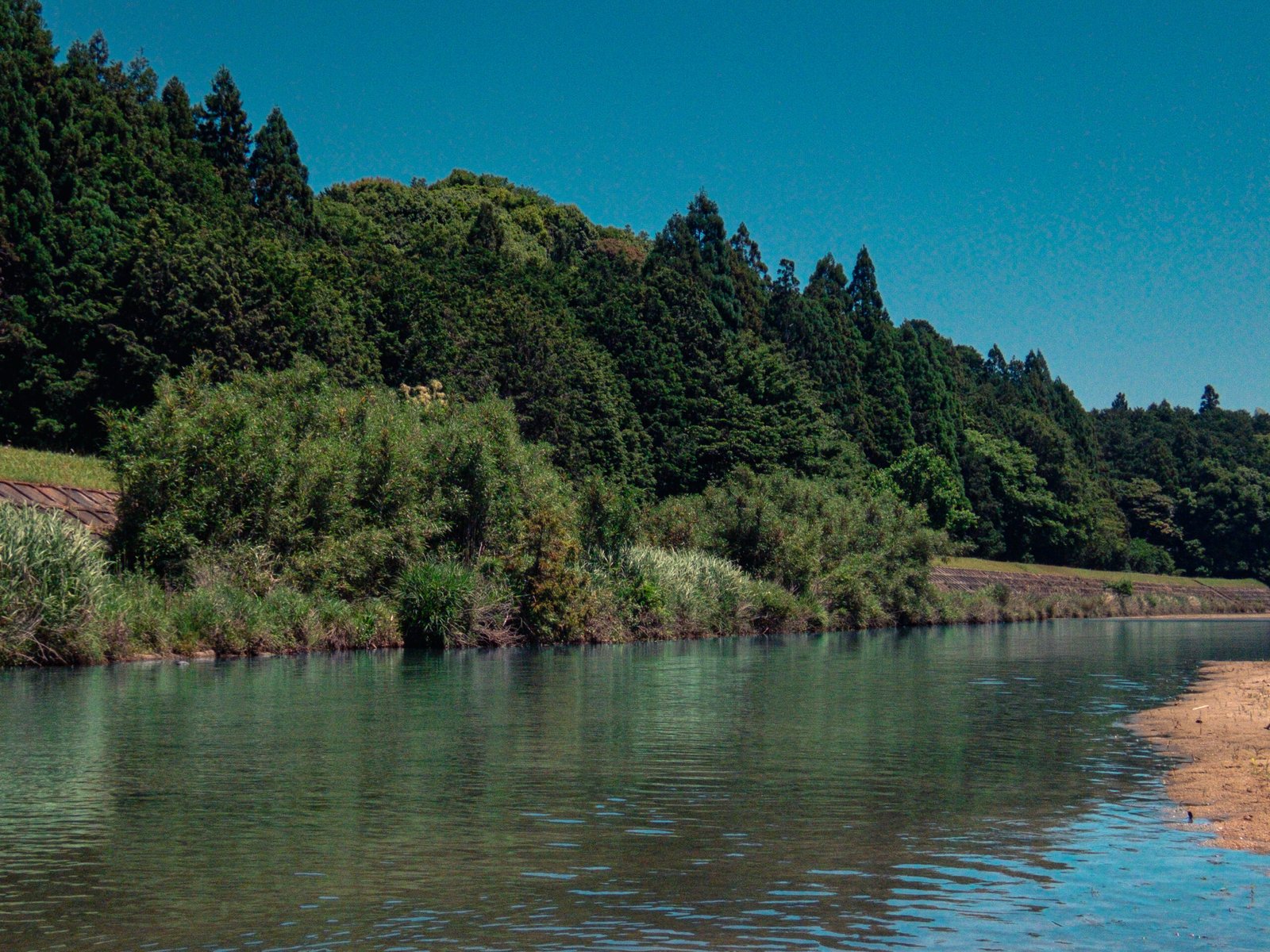
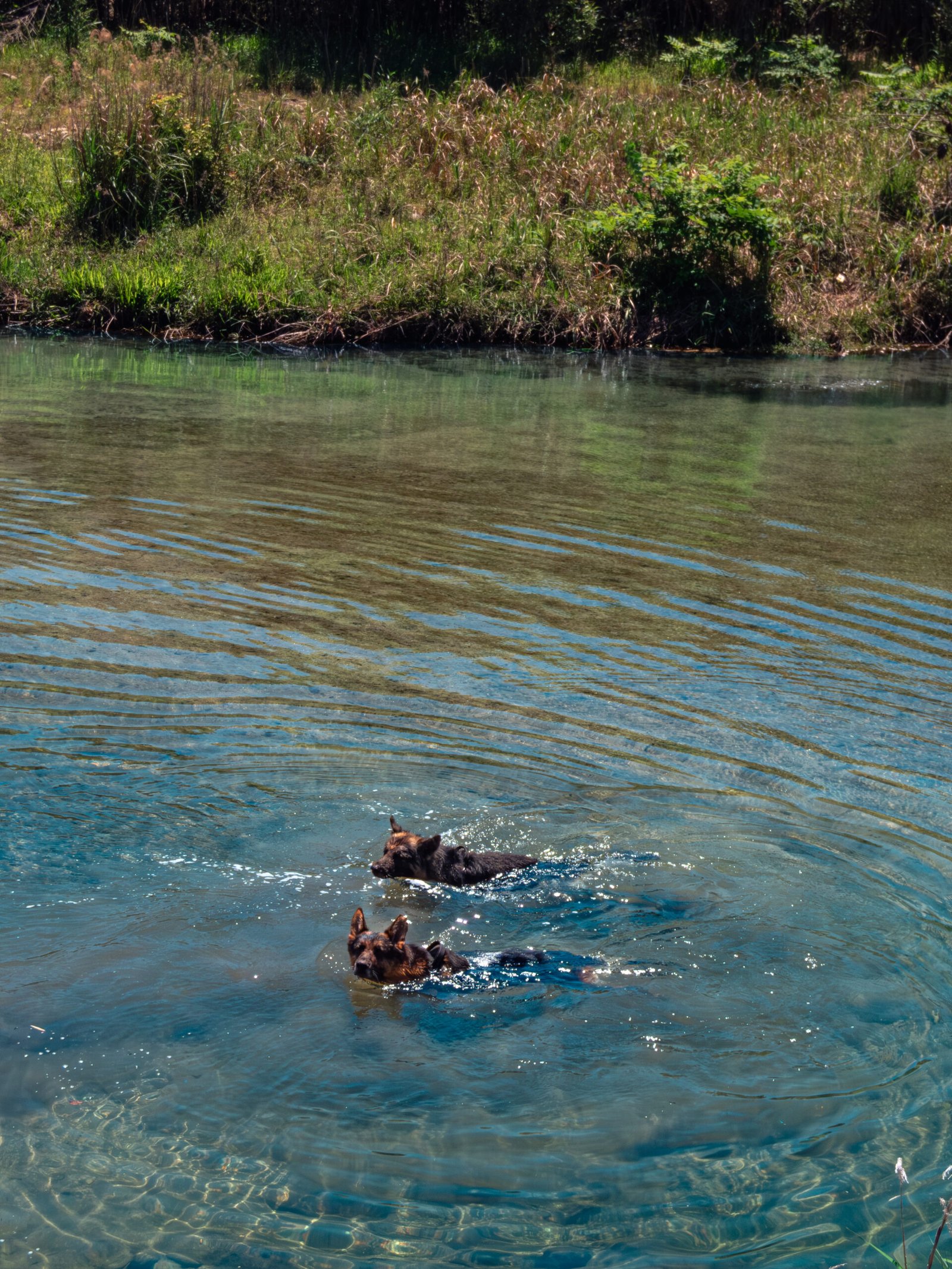
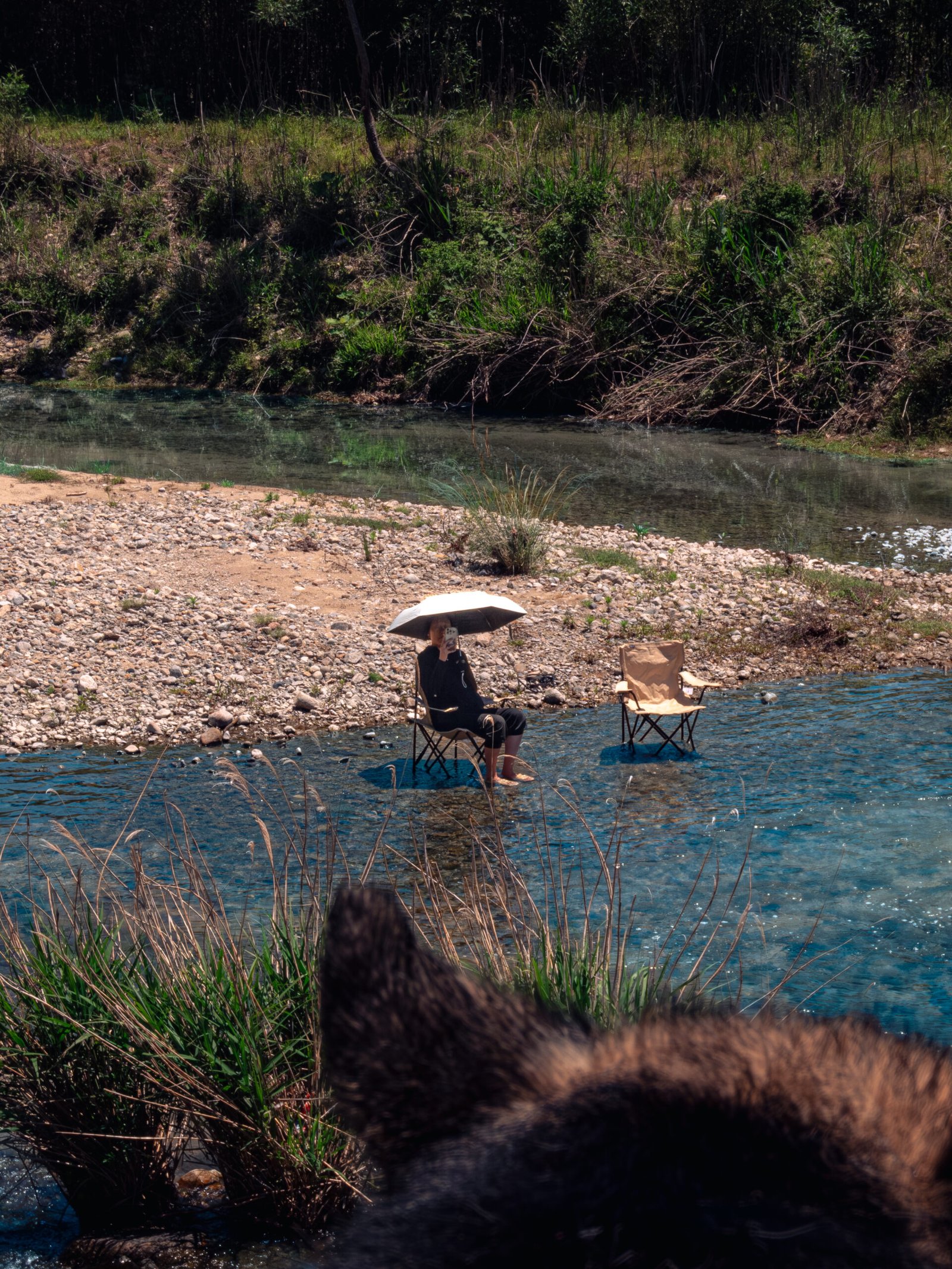
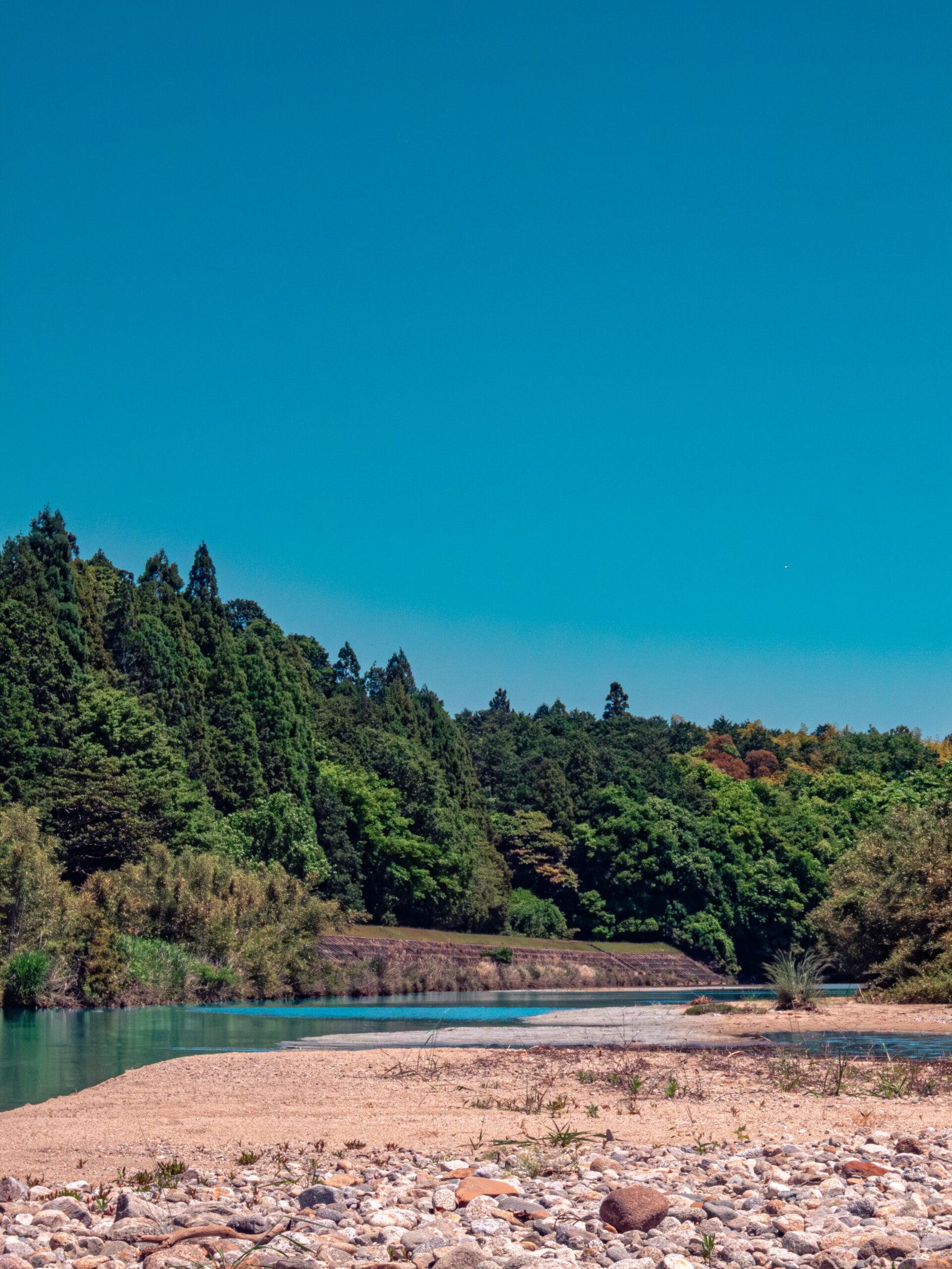
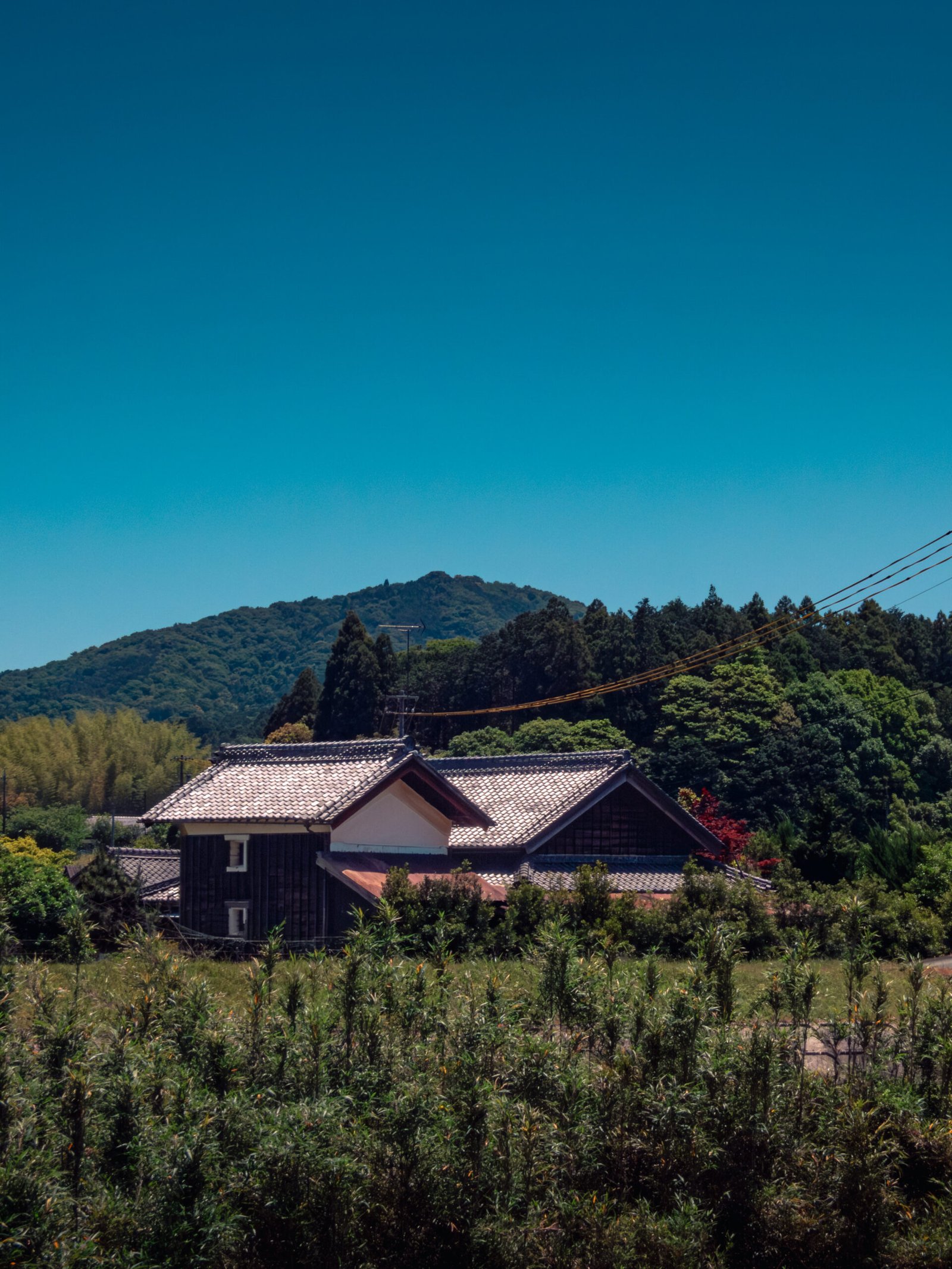
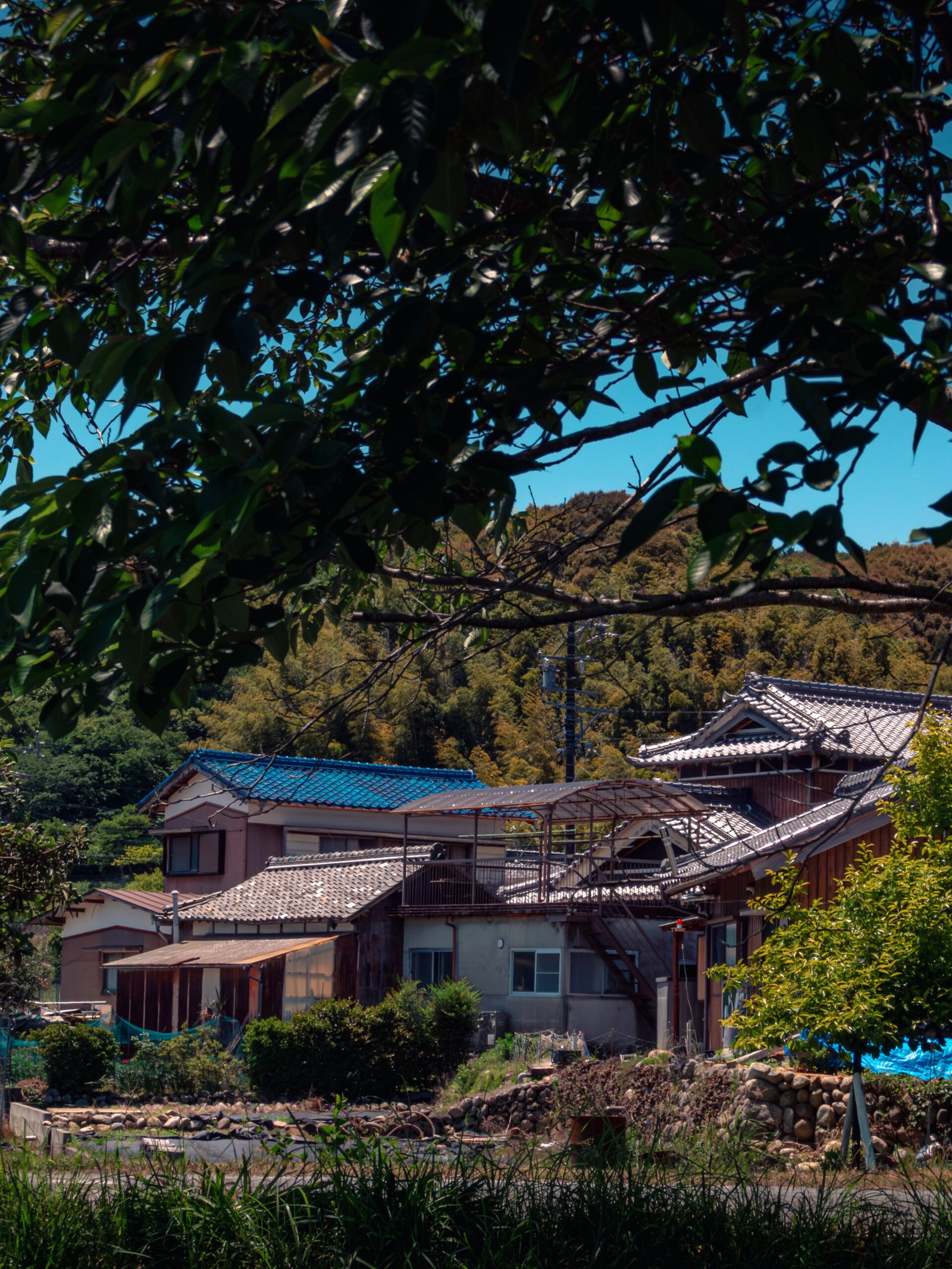
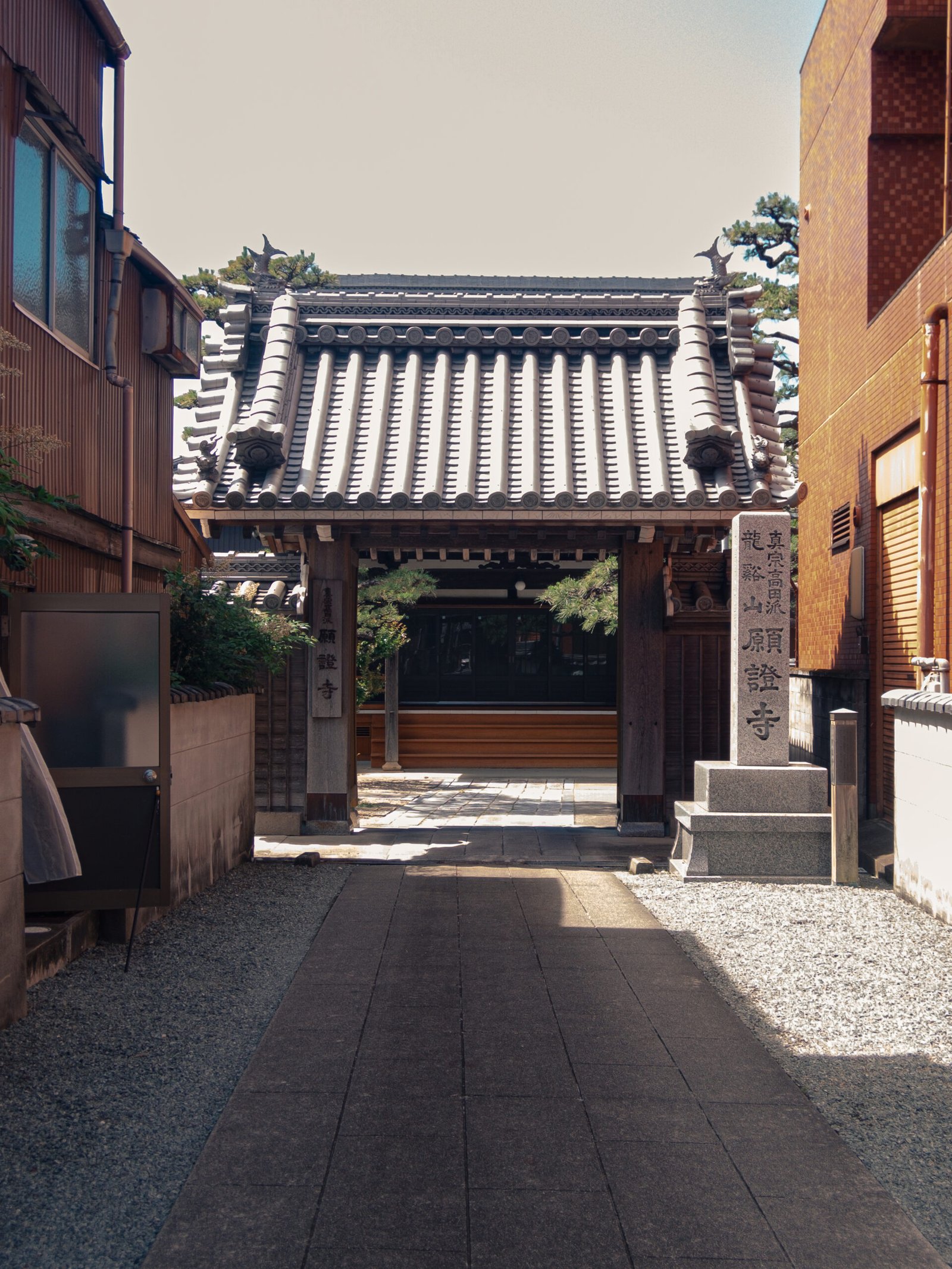
The gallery below contains my existing photographs taken with the XQ1. These are pictures from using the camera, not a controlled studio comparison. They are the best companion to the experience described here: look at the light, detail, and everyday subjects, then decide whether the results suit your own taste.
The photos of the camera earlier in this article show the body and controls; the gallery here shows photographs made with it. Web display and resizing can affect how much fine detail you see, so treat these as real-world examples rather than a laboratory test.
Fujifilm XQ1 vs Smartphone
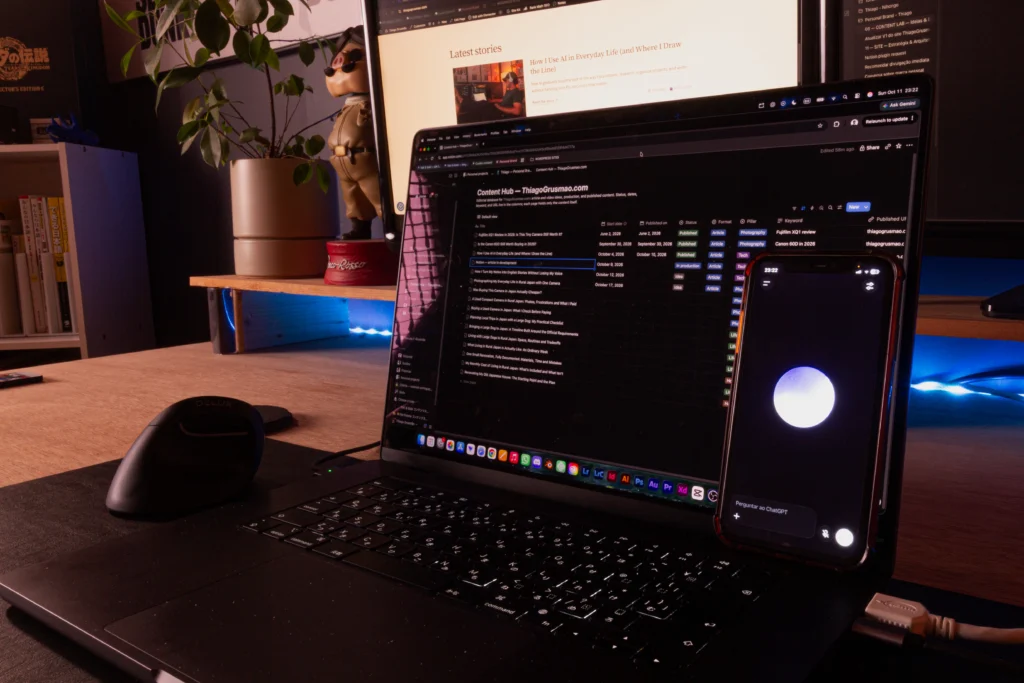
Why carry a separate camera when a smartphone is already in my pocket? For me, the answer begins with attention. I’ve been thinking about what I call ‘mobile decentralization’: taking some tasks away from the phone and giving them back to devices designed for one job.
With a phone, taking a picture can easily turn into checking a notification or opening another app. With the XQ1, I can stay with the walk. It doesn’t make the phone a bad camera. It gives me a different relationship with taking pictures.
I haven’t conducted a controlled comparison against a specific 2026 smartphone, so I wouldn’t claim the XQ1 universally wins on image quality. The answer depends on the phone, focal length, light, and processing. Phone HDR and night modes can help with difficult scenes, while immediate editing and sharing are obvious conveniences.
The XQ1 offers a physical shutter button, optical zoom, and dedicated exposure controls. If those things make you want to photograph more, carrying it makes sense. If your priority is the quickest route from capturing an image to sharing it, your phone may already be the better fit.
Is the Fujifilm XQ1 a Good Digicam in 2026?
Yes, if your idea of a good digicam is a pocketable camera with room to experiment. It can be easy to carry while still offering more control when you want to learn. That combination makes it appealing beyond the simple fact that it is old.
I wouldn’t buy it expecting age alone to create a particular nostalgic look. This is an X-Trans CMOS camera, not a CCD model, and neither sensor label guarantees a mood. Lighting, exposure, flash, and editing all affect the result. My reason for enjoying it is more ordinary: it makes everyday photography feel inviting.
Should You Buy a Fujifilm XQ1 Today?
If you already own a working one, my advice is to take it out before shopping for an upgrade. That is how this story started. A few walks will tell you more about whether it belongs in your routine than another evening comparing specifications.
If you’re buying used, I would consider one for casual photography, travel without a camera bag, or learning exposure with physical controls. I would be less enthusiastic if you need dependable action tracking, demanding low-light performance, a viewfinder, or video as your main priority.
Before paying, test the lens extension and cover, zoom, autofocus, rear dial, buttons, flash, screen, card recording, and charging. Take pictures at both ends of the zoom and inspect the files. Ask about battery condition and the return policy. My own camera’s wear is a good reminder to judge the actual unit, not just the model name.
I haven’t included a current market price because I haven’t established a reliable local price range for this review. Compare recent sold listings and available alternatives where you live. I would pay for a usable camera in good condition, not a promise that an old compact will magically improve my photography.
Final Thoughts
Rediscovering my Fujifilm XQ1 brought a forgotten camera back into my everyday life. It is small, imperfect, and easy to bring along while I walk the dogs in rural Japan. That is enough to make it worth using in 2026.
This is an owner’s perspective, built around my own camera and everyday photographs. For me, its strongest feature is the simple invitation to take a picture and keep enjoying the walk. Whether it is worth buying for you depends on finding a healthy example at a price that makes sense.
Do you still use older digital gear just for the pleasure of taking pictures? You can leave a comment below or reach me through my contact page. I would love to hear what has found its way back into your camera bag—or your pocket.